MIC: Microbiologically Influenced Corrosion in Pipelines and Marine Structures
Microbiologically influenced corrosion (MIC) is a form of electrochemical corrosion initiated or significantly accelerated by the metabolic activity of microorganisms — predominantly bacteria and archaea — living within a structured biofilm on the metal surface. MIC is responsible for an estimated 20–30% of all corrosion failures in oil and gas infrastructure, and is a primary cause of accelerated low water corrosion (ALWC) in marine structures. This article provides a technically rigorous examination of biofilm formation, the principal corrosion mechanisms driven by sulphate-reducing bacteria (SRB), iron-oxidising bacteria, and acid producers, plus detection methods, material selection, and mitigation engineering.
Key Takeaways
- MIC is not a distinct corrosion mechanism — it is the augmentation of existing electrochemical mechanisms (pitting, crevice, galvanic) by microbial metabolic activity at the metal interface.
- Sulphate-reducing bacteria (SRB) are the dominant MIC organisms in anaerobic environments; they drive cathodic depolarisation and produce corrosive H2S and FeS deposits.
- Biofilms create stratified micro-environments with steep O2, pH, and ion-activity gradients that establish strong concentration cells directly at the metal surface.
- MIC pitting rates of 0.5–3 mm/year are documented in carbon steel pipelines and marine piles — 5 to 20 times faster than abiotic corrosion in the same environment.
- Biocide injection (glutaraldehyde, THPS), mechanical pigging, nitrate injection, and cathodic protection form the standard mitigation package; no single measure is adequate alone.
- Detection relies on a combination of ATP bioluminescence, qPCR gene quantification, SEM/EDS of corrosion products, and non-destructive UT thickness monitoring.
What is Microbiologically Influenced Corrosion?
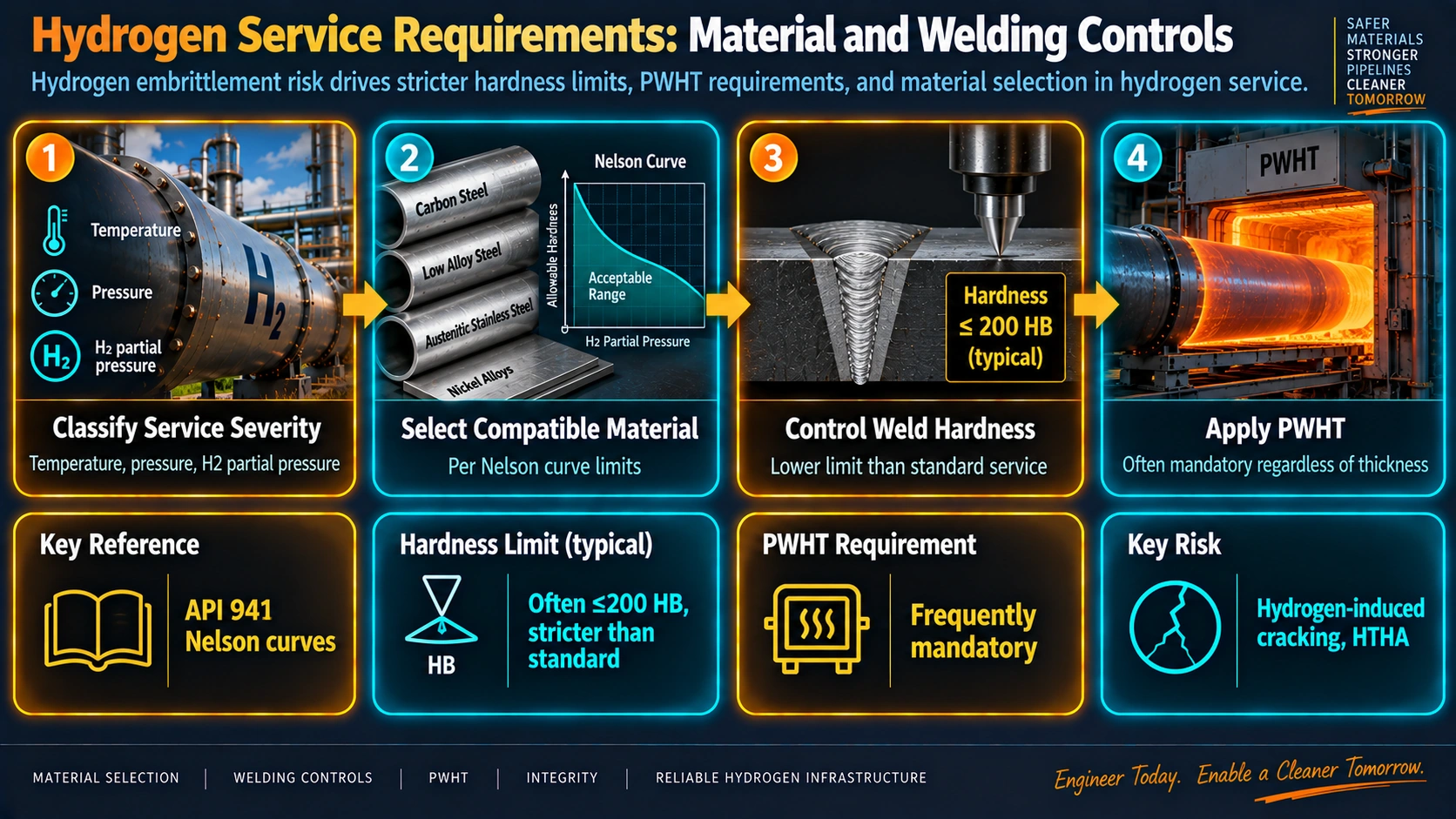
MIC is not a single, discrete corrosion mechanism. It is the modification — almost always acceleration — of existing electrochemical corrosion mechanisms by microbial metabolic activity. The microorganisms do not corrode metal directly; they alter the local chemical environment at the metal-electrolyte interface in ways that cannot be achieved by abiotic chemistry alone. This includes: consuming dissolved oxygen to create anaerobic niches; generating corrosive metabolic by-products (H2S, organic acids, NH3); catalysing redox reactions (Fe2+/Fe3+) through enzymatic electron transfer; and creating differential concentration cells by varying pH, ion activity, and O2 concentration across the biofilm depth.
The term “influenced” in MIC is deliberate: the microorganisms create the conditions for corrosion; the corrosion itself proceeds by standard electrochemical principles of anodic metal dissolution and cathodic reduction. MIC is correctly classified within the broader framework of corrosion mechanisms rather than treated as a separate phenomenon.
Economic and Engineering Significance
Industry estimates attribute 20–30% of all corrosion costs globally to MIC, representing tens of billions of dollars annually in the oil and gas, water treatment, marine, and power generation sectors. Characteristic features that make MIC particularly costly are: its occurrence in locations considered low-risk by abiotic analysis (no galvanic couples, adequate CP, neutral pH bulk water); extremely rapid perforation of thin-wall piping; and the difficulty of detection before failure because biofilm activity is invisible to conventional inspection without targeted sampling. Pipeline perforation leading to hydrocarbon release, marine pile collapse, and cooling water system failures are documented MIC failure modes in published literature.
Microorganisms Responsible for MIC
MIC is rarely caused by a single organism. In practice, complex multi-species consortia establish within the biofilm, with different metabolic guilds occupying stratified ecological niches determined by local O2, pH, and substrate availability. The principal groups are described below.
Sulphate-Reducing Bacteria and Archaea (SRB/SRA)
SRB are the most corrosively significant MIC organisms in anaerobic and oxygen-depleted environments. Key genera include Desulfovibrio, Desulfotomaculum, Desulfopila, and Desulfotignum. They are obligate anaerobes that use sulphate (SO42-) as the terminal electron acceptor in their respiratory chain, producing hydrogen sulphide:
SO₄²⁻ + 8H⁺ + 8e⁻ → S²⁻ + 4H₂O
S²⁻ + 2H⁺ → H₂S

Net in presence of Fe: Fe + H₂S → FeS + H₂↑
Sulphate-reducing archaea (SRA) — particularly Archaeoglobus fulgidus — perform the same metabolic function at temperatures up to 92°C, making them the dominant MIC organisms in high-temperature oil reservoirs and deep subsea pipelines.
Iron-Oxidising Bacteria (IOB)
IOB such as Gallionella ferruginea and Sphaerotilus natans oxidise ferrous iron (Fe2+) to ferric iron (Fe3+), precipitating iron oxyhydroxide (FeOOH) tubercles. These tubercles create differential aeration cells — the metal beneath the tubercle becomes anodic relative to the surrounding freely exposed surface — and provide physical shielding that traps corrosive species and excludes biocide. IOB are aerobic and typically dominate the outer biofilm layers in oxygenated systems such as cooling water circuits and seawater intake piping.
Acid-Producing Bacteria (APB)
APB — including Acidithiobacillus thiooxidans (sulphur-oxidising) and various fermentative bacteria — generate organic acids (acetic, formic, butyric) and inorganic acid (H2SO4) as metabolic products. Local pH values of 2–4 have been measured within mature MIC biofilms, even when bulk solution pH is 7–8. This local acidification dissolves passive films, promotes hydrogen evolution, and increases the solubility of protective corrosion products.
Methanogens and Nitrate-Reducing Bacteria (NRB)
Methanogens (anaerobic archaea) compete with SRB for hydrogen but also participate in direct electron transfer from iron, making them independently corrosive. NRB are important in the context of MIC mitigation: nitrate injection selectively stimulates NRB, which outcompete SRB for electron donors and can suppress SRB activity — a strategy widely used in offshore water injection systems.
| Microbial Group | Key Genera | O2 Requirement | Corrosive Product | Primary Environments |
|---|---|---|---|---|
| SRB / SRA | Desulfovibrio, Archaeoglobus | Anaerobic | H2S, FeS | Pipelines, seabed, reservoirs |
| IOB | Gallionella, Sphaerotilus | Aerobic | FeOOH tubercles | Cooling water, distribution mains |
| APB (sulphur-oxidising) | Acidithiobacillus | Aerobic/microaerobic | H2SO4 | Concrete sewers, bioleaching |
| APB (fermentative) | Clostridium, Bacteroides | Anaerobic | Acetic, formic, butyric acids | Produced water systems, soils |
| Manganese-oxidising bacteria (MOB) | Leptothrix, Pseudomonas | Aerobic | MnO2 deposits, high Ecorr | Seawater, freshwater systems |
| NRB | Thiobacillus denitrificans | Anaerobic/microaerobic | N2 (suppresses SRB) | Injection water, soils |
| Methanogens | Methanobacterium | Strictly anaerobic | CH4; direct electron uptake | Deep soils, oil fields |
Biofilm Formation: Mechanism and Metallurgical Consequences
The transition from planktonic (free-floating) bacteria to a sessile biofilm community fundamentally changes the corrosive character of the microbial population. Planktonic bacteria exert negligible corrosive effect; biofilm bacteria can drive pitting rates two orders of magnitude higher than the abiotic baseline in the same bulk electrolyte.
Attachment Kinetics
Biofilm formation begins within minutes of exposing a clean metal surface to a bacterial-containing electrolyte. Surface energy, roughness (Ra), and the presence of pre-adsorbed organic conditioning films (proteins, polysaccharides from the bulk fluid) determine the initial attachment rate. Surfaces with Ra > 0.8 μm harbour significantly more attached cells than polished surfaces; this is one reason that internal weld cap geometry and pipe roughness matter in MIC-susceptible service.
EPS Matrix and the Creation of Micro-Environments
Irreversible attachment is mediated by extracellular polymeric substances (EPS) — a hydrated gel of polysaccharides, proteins, nucleic acids, and lipids secreted by the bacteria. The EPS matrix has several corrosion-relevant properties: it concentrates metal ions (Fe2+, Mn2+) near the metal surface by chelation; it restricts mass transfer, creating steep O2 and pH gradients; and it physically protects the cells from biocide penetration. A mature biofilm of 50–200 μm thickness can have bulk solution pH of 7.5 at its outer surface while maintaining pH 4.0 and near-zero O2 at the metal interface — simultaneously supporting IOB at the top and SRB at the base.
Corrosion Mechanisms in Detail
Cathodic Depolarisation by SRB (Classical Theory)
The von Wolzogen Kühr cathodic depolarisation mechanism (1934) remains the most referenced model for SRB-driven corrosion. In the absence of O2, the cathodic reaction on steel is hydrogen evolution:
Cathode:  2H⁺ + 2e⁻ → H₂ads → H₂↑  (or H₂ recombination at surface)
Anode:    Fe → Fe²⁺ + 2e⁻

Without SRB: H₂ads accumulates → cathodic polarisation → reaction slows.
With SRB:    H₂SO₄ + 4H₂ → H₂S + 4H₂O  (SRB consume H₂ads)
             Cathodic depolarisation maintained → anodic dissolution continues.
The hydrogenase enzyme in SRB is the key: it catalyses the oxidation of molecular hydrogen, allowing SRB to use H2ads as an electron donor for sulphate reduction. This removes the cathodic reaction product that would otherwise limit corrosion rate.
Extracellular Electron Transfer (EET) — Modern Mechanism
Research from 2010 onwards, particularly studies on Desulfopila corrodens, demonstrated that some SRB extract electrons directly from iron metal via outer-membrane cytochromes — analogous to the electron transfer chains used by dissimilatory metal-reducing bacteria such as Geobacter. In this mechanism, the metal surface itself serves as the electron donor for sulphate reduction without the intermediate hydrogen step:
4Fe → 4Fe²⁺ + 8e⁻                     (anodic dissolution)
SO₄²⁻ + 8e⁻ + 9H⁺ → HS⁻ + 4H₂O   (direct cathodic EET by SRB)

Net: 4Fe + SO₄²⁻ + 8H⁺ → 3Fe²⁺ + FeS + 4H₂O
EET is significantly faster than hydrogen-mediated cathodic depolarisation and explains MIC rates that exceed predictions from the classical theory by factors of 3–10.
Galvanic Acceleration by Iron Sulphide Deposits
FeS corrosion products formed by SRB are electronically conductive and are cathodic relative to bare steel in most environments. The FeS-steel galvanic couple drives anodic dissolution of the steel beneath and adjacent to the FeS deposit:
Eₜorr(FeS) ≈ −0.30 V vs SCE
Eₜorr(carbon steel) ≈ −0.55 V vs SCE

Galvanic current → accelerated pitting at steel/FeS boundary
This galvanic mechanism is self-perpetuating: more pitting generates more Fe2+, which reacts with H2S to form more FeS deposit, extending the cathodic area. The characteristic morphology of advanced MIC pitting in carbon steel — hemispherical pits with polished walls, undercut profiles, black FeS lining — is driven by this mechanism.
MIC in Stainless Steels
Austenitic stainless steels (304, 316L) are susceptible to MIC despite their passive film because H2S is a potent passive film destabiliser, capable of reducing pit initiation potentials below the free corrosion potential. Manganese-oxidising bacteria (MOB) shift the corrosion potential of stainless steel in seawater from approximately -100 mV SCE (abiotic) to +200 to +300 mV SCE — above the pitting potential of 316L in seawater — triggering stable pit propagation. This is the dominant MIC mechanism for stainless steel seawater piping and heat exchanger tubing. Higher-alloyed grades (duplex 2205, super-duplex 2507, 6Mo austenitic UNS S31254) with PREN > 40 resist this mechanism but are not immune.
For a full treatment of pitting corrosion mechanisms and critical pitting temperature, see the dedicated MetallurgyZone guide.
Accelerated Low Water Corrosion (ALWC) in Marine Structures
ALWC is a particularly aggressive form of MIC that attacks structural steel piles, sheet piling, and offshore jacket legs at the tidal low water level. Corrosion rates of 0.5–3.0 mm/year are reported — up to 20 times higher than the 0.1–0.2 mm/year expected from abiotic splash zone attack. ALWC can perforate a standard 10 mm offshore pile section in 3–5 years from initial exposure without intervention.
Why the Low Water Zone?
The intermittent wetting at low tide creates an ideal ecological niche: alternating aerobic (tidal exposure) and anaerobic (submerged) conditions allow both aerobic IOB and anaerobic SRB to co-exist in the same biofilm structure. The sulphur cycle is central: SRB produce H2S in the anaerobic zone; sulphur-oxidising bacteria (SOB such as Thiobacillus) re-oxidise H2S back to H2SO4 in the aerobic zone — an autocatalytic acid generation cycle driven entirely by microbial metabolism.
Visual Identification of ALWC
ALWC is identified visually by: orange/brown iron oxyhydroxide and sulphide crust on the outer surface; removal of this crust by scraping reveals bright, deeply pitted steel with a mushy, soft texture rather than the hard, stratified layers typical of abiotic splash zone corrosion; hemispherical pits often coalesce into large scalloped areas; and the characteristic sulphide odour (H2S) upon scraping. Ultrasonic thickness measurement (UT) confirms the true loss, which may be far greater than visually apparent due to undercutting.
ALWC Risk Assessment Indicator
Structures at highest ALWC risk: steel piles in harbours, estuaries, and ports with high organic loading (sewage outfalls, industrial effluent, dredged silts); seawater temperatures 10–25°C (optimal SRB growth); water velocities below 0.5 m/s (low biofilm shear); and previously damaged or disturbed coatings at the low water level. Annual UT surveys are mandatory for compliance with NACE SP0176 (cathodic protection of offshore structures) in confirmed ALWC environments.
Detection and Monitoring of MIC
Accurate MIC identification requires a combination of biological, chemical, and physical methods. No single test is sufficient for definitive diagnosis.
Biological Detection Methods
ATP Bioluminescence
Adenosine triphosphate (ATP) is the universal energy currency of all living cells. ATP bioluminescence tests (e.g., LuminUltra QGA) lyse microbial cells in a water or biofilm sample and measure the light emitted when ATP reacts with luciferin/luciferase. Results are quantified as relative light units (RLU) converted to pg ATP/mL or pg ATP/cm2 of surface. ATP > 1 ng/mL bulk water or > 100 pg ATP/cm2 surface indicates significant biomass. ATP gives no speciation — it detects all living organisms.
BART (Biological Activity Reaction Test)
BART vials contain selective growth media for specific functional groups: SRB-BART (blackening indicates FeS production), IRB-BART (iron-related bacteria), SLYM-BART (slime formers). Results are semi-quantitative, expressed as time-to-reaction: shorter times indicate higher populations. SRB-BART blackening within 48 hours indicates high SRB activity.
qPCR and 16S rRNA Sequencing
Quantitative PCR targeting conserved SRB genes (e.g., dsrA/B encoding dissimilatory sulphite reductase) provides culture-independent enumeration of SRB regardless of culturability (estimated 99% of environmental bacteria are unculturable). 16S rRNA amplicon sequencing characterises the full microbial community composition. qPCR results of >104 SRB gene copies/mL are generally considered indicative of active MIC risk in pipeline systems.
Physical and Chemical Indicators
- SEM/EDS analysis of corrosion products: detection of FeS, FeS2 (pyrite), and elemental sulphur (EDS S peak) within a pitted surface is strongly indicative of SRB activity.
- H2S measurement: in-line H2S sensors in gas-phase headspace or dissolved H2S probes in liquid; values >0.5 ppm dissolved in produced water signal active SRB.
- Corrosion coupons: weight-loss coupons with biofilm-compatible surface preparation (Ra 0.4–0.8 μm, degreased) inserted in live systems; pitting factor (maximum pit depth / average corrosion depth) > 5 confirms localised MIC-type attack.
- Pit morphology: hemispherical, polished-walled, undercut pits with black sulphide lining, often in clusters — versus the irregular, surface-stained pits of abiotic crevice or pitting corrosion.
Material Selection and MIC Resistance
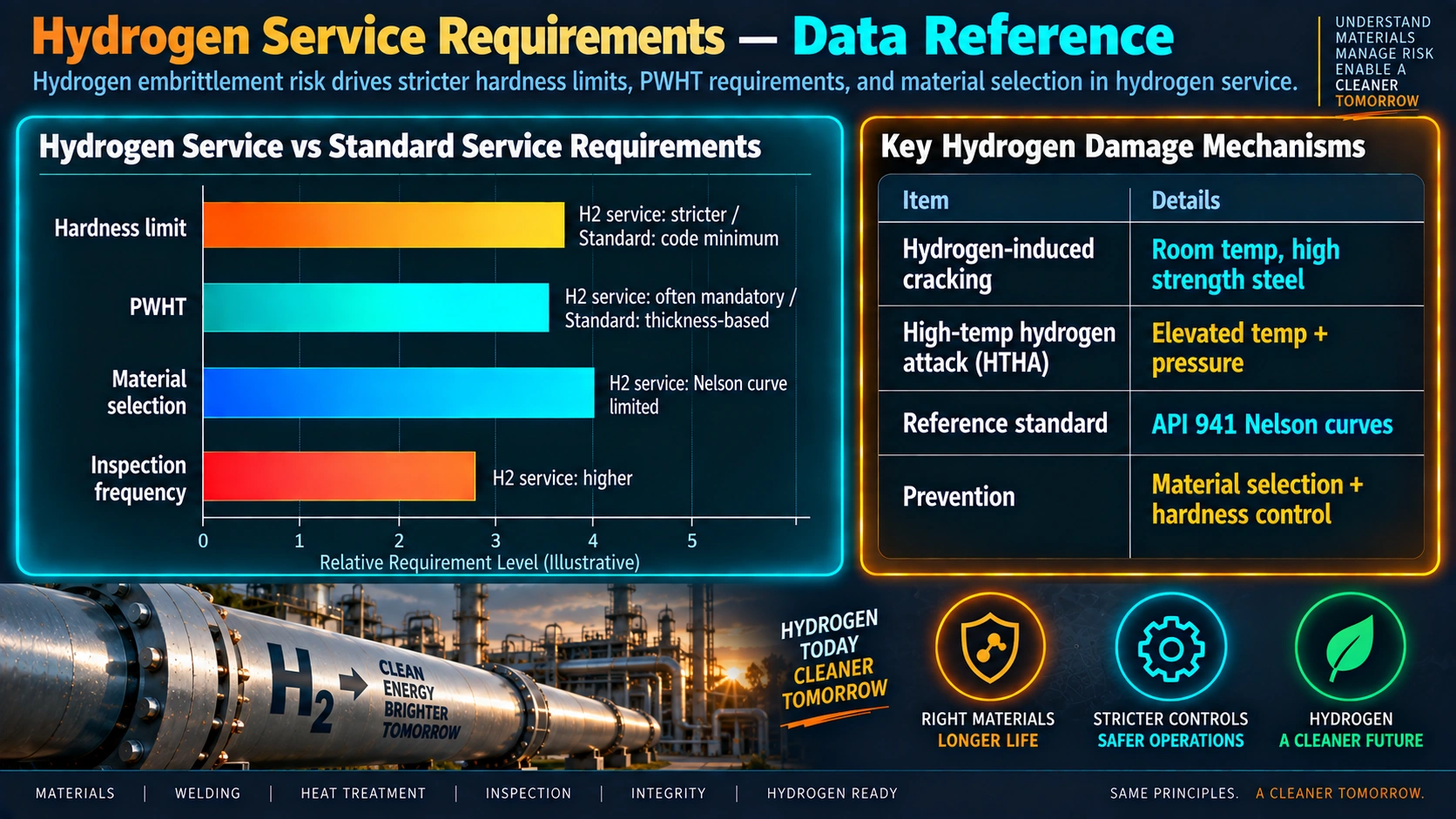
Material selection is a primary line of defence, though no engineering alloy is entirely MIC-immune in all environments. Selection criteria must account for the specific microbial community present, temperature, chloride content, and economic constraints.
| Material | MIC Susceptibility | Key Vulnerability | Typical MIC Rate (mm/yr) | Application Notes |
|---|---|---|---|---|
| Carbon steel (A106, API 5L X65) | Very High | No passive film; FeS galvanic coupling | 0.5 – 3.0 | Requires full MIC mitigation package |
| 304 / 316L stainless | Moderate–High | H2S passive film breach; MOB ennoblement | 0.05 – 0.5 (pitting only) | Avoid stagnant seawater service |
| Duplex 2205 (UNS S31803) | Low–Moderate | PREN 35–36; Cl + SRB combo | < 0.05 | Preferred for moderately aggressive service |
| Super-duplex 2507 (UNS S32750) | Very Low | PREN > 42; very resistant | Negligible | Offshore, chemical injection lines |
| Alloy 625 (UNS N06625) | Extremely Low | Near-immune; Cr+Mo+Nb passive film | Not measurable | High-value critical service |
| Titanium Gr.2 / Gr.5 | Extremely Low | TiO2 film; essentially immune to SRB | Not measurable | Marine heat exchangers, offshore |
| GRE / HDPE (non-metallic) | None (to MIC) | Biofilm forms but no metal dissolution | 0 | Water injection, produced water |
The electrochemical basis of passive film stability — central to understanding why high-Cr, high-Mo alloys resist MIC — is discussed in detail in the corrosion mechanisms guide.
Mitigation Strategies
An effective MIC mitigation programme combines multiple complementary strategies. Reliance on any single measure is inadequate because biofilms adapt, biocides lose efficacy, and CP alone cannot suppress active SRB in biofilm niches.
Biocide Treatment
Biocide injection is the primary operational control in oil and gas pipeline systems. Two regimes are used:
- Continuous injection at 10–50 ppm: maintains low background microbial populations; effective with oxidising biocides (chlorine, chlorine dioxide) in cooling water; less effective against established biofilms.
- Batch/slug injection at 100–500 ppm: periodic high-concentration treatment to kill established biofilm populations; more effective for pipeline interiors; glutaraldehyde and THPS are the industry-standard non-oxidising biocides.
Glutaraldehyde (GTA, 25–50% active solution) is effective against SRB at 100–250 ppm, but biofilm resistance can develop with repeated sub-lethal exposures. THPS (tetrakis(hydroxymethyl)phosphonium sulphate) is an alternative with good penetration into biofilm EPS matrix and environmental degradability advantage. Biocide rotation between GTA and THPS is recommended to prevent resistance development.
Biocide Efficacy Verification
Biocide treatment is only as good as its verification. ATP testing of injection water before and 24 hours after biocide slug confirms kill efficacy. A >3-log reduction in ATP (1000-fold decrease) indicates effective treatment. If reduction is <2 log, evaluate: contact time, injection point location relative to biofilm, biocide concentration, and whether pigging is required to physically disrupt biofilm before chemical treatment.
Mechanical Pigging
Mechanical pig scraper tools remove established biofilm mechanically, complement biocide injection by disrupting the EPS matrix that shields bacteria from chemical attack, and reduce the volume of biocide required. Pig frequency depends on flow velocity and water cut: typically weekly to monthly for high-water-cut subsea flowlines, and quarterly for dry gas pipelines with produced water accumulation. Foam pigs with wire brushes are preferred for biofilm removal in 4–24 inch lines.
Nitrate Injection
Nitrate (NO3–) injection into produced water injection systems selectively stimulates NRB, which outcompete SRB for hydrogen and organic carbon electron donors. NRB use NO3– as the terminal electron acceptor (rather than SO42-) and do not produce H2S. Injection rates of 200–500 ppm NO3– in injection water have demonstrated 80–95% SRB suppression in offshore reservoir souring control applications (NORSOK standard M-001 guidance). This method is preferred over biocide in full-field reservoir souring control because it is self-propagating.
Cathodic Protection Adjustments
Standard CP criteria (−850 mV Cu/CuSO4 for buried carbon steel; −800 mV Ag/AgCl for seawater structures) may be insufficient in confirmed MIC environments because biofilm shields the steel surface from the CP potential. The adjusted criterion for MIC-susceptible environments is −950 mV Cu/CuSO4 or more negative, confirmed by reference electrode surveys at coupon retrieval points — not just at test posts. Caution: potential more negative than −1100 mV risks hydrogen-induced cracking in high-strength steels (SMYS > 550 MPa).
Coating and Surface Engineering
For internal pipeline surfaces, fusion-bonded epoxy (FBE) and three-layer polyolefin coatings prevent biofilm establishment on the steel substrate. For marine structures, advanced anti-fouling coatings incorporating biocidal active substances (copper thiocyanate, zinc pyrithione) at the low water zone retard ALWC initiation. Thermal spray aluminium (TSA) at 150–200 μm applied to ALWC zones of offshore piles has demonstrated 25-year service life without supplemental CP in North Sea applications.
Industrial Case Studies
Carbon Steel Produced Water Line Failure
A 6-inch API 5L X52 produced water pipeline in a Gulf of Mexico facility failed by through-wall pitting perforation after 4 years of service despite nominal CP. Investigation findings: UT survey identified 47 pitting locations averaging 8.2 mm depth in 8.74 mm wall thickness; SEM/EDS confirmed FeS and elemental sulphur in pit base; ATP bioluminescence of produced water sampled at the failed location measured 35,000 RLU (indicating very high biomass); biocide injection records showed irregular slug frequency averaging once per 8 weeks rather than the specified once per 2 weeks. Root cause: inadequate biocide frequency allowed SRB population to recover and re-establish biofilm between treatments. Remediation: weekly biocide slugs, monthly pigging, installation of ZA (zero access) coupon holders for quarterly monitoring.
ALWC in Port Infrastructure
UT thickness surveys of steel sheet piling in a UK commercial port (tidal range 4.8 m, high organic loading from adjacent food processing outfall) identified ALWC-driven wall losses of 1.5–2.3 mm/year at the low water zone — compared with 0.15 mm/year predicted by CIRIA C634 (Design for durability in marine environments). Biofilm sampling confirmed mixed SRB/SOB consortium; water temperature 12–18°C (optimal SRB range). Intervention: TSA coating of accessible pile sections; installation of impressed current CP (ICCP) system targeting −950 mV Ag/AgCl; annual UT re-inspection programme.
Frequently Asked Questions
What is microbiologically influenced corrosion (MIC)?
Which bacteria are most responsible for MIC?
How does a biofilm form and why is it corrosive?
What is the mechanism by which SRB accelerate steel corrosion?
How is MIC distinguished from abiotic corrosion in field inspections?
What metals and alloys are most susceptible to MIC?
How is MIC controlled in oil and gas pipelines?
What is accelerated low water corrosion (ALWC) and how does MIC cause it?
Can MIC occur under cathodic protection (CP)?
Recommended References
Biologically Induced Corrosion — Dexter (NACE)
The definitive NACE conference proceedings reference on MIC mechanisms, case histories, and testing methods for practising engineers.
View on AmazonMicrobiologically Influenced Corrosion — Little & Lee (Wiley)
Comprehensive graduate-level text on MIC science, from biofilm electrochemistry to field case studies across oil and gas, marine, and water systems.
View on AmazonCorrosion Engineering — Fontana (McGraw-Hill, 3rd Ed.)
Classic eight-forms-of-corrosion reference; essential background for understanding how MIC amplifies abiotic mechanisms including pitting and crevice corrosion.
View on AmazonASM Handbook Vol. 13A: Corrosion — Fundamentals, Testing, and Protection
Authoritative ASM reference covering MIC detection methods, biocide selection, and material performance data in biologically active environments.
View on AmazonDisclosure: MetallurgyZone participates in the Amazon Associates programme. If you purchase through these links, we may earn a small commission at no extra cost to you. This helps support free technical content on this site.
Further Reading
Pitting Corrosion
Pitting potential, critical pitting temperature, and passive film breakdown in stainless steels and nickel alloys.
Corrosion Mechanisms
Electrochemical fundamentals: anodic dissolution, cathodic reactions, mixed potential theory, and passivation.
Uniform Corrosion & Rate Calculation
Weight-loss coupons, mils per year (MPY) calculation, and corrosion inhibitor effectiveness in aqueous systems.
Erosion-Corrosion in Pipework
Flow velocity effects, sand erosion combined with electrochemical corrosion, and material selection for multiphase service.
Corrosion Protection Coatings
FBE, three-layer polyolefin, TSA, and metallic coatings for pipeline and marine structure protection against MIC and abiotic corrosion.
Hydrogen-Induced Cracking
HIC and SSC in sour service: H2S-driven hydrogen charging, NACE MR0175/ISO 15156 material requirements.
Corrosion in Concrete
Rebar passivity, chloride threshold, carbonation, and cathodic protection of reinforced concrete structures in marine environments.
Corrosion Calculators Hub
Corrosion rate, remaining life, pipe wall thickness, and CP current demand calculators for engineering assessment.